
Coastal Resilience and Regional Adaptation
About
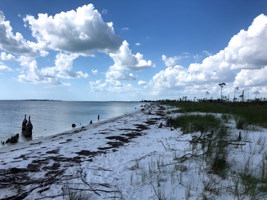
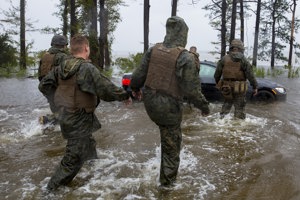
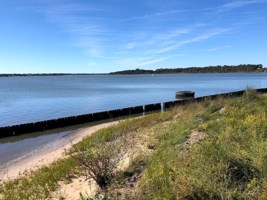
Coastal areas in the Southeast offer unique training and testing opportunities, provide critical access to the ocean for military operations and are also increasingly vulnerable to coastal hazards due to rising sea levels, frequent and intense storms, and shoreline erosion. Other challenges, such as drought, flooding, and extreme temperatures, connect across watersheds from inland to the coast throughout the region. These hazards are amplified when incompatible land uses such as urbanization are rapidly spreading across the landscape. To address these interconnected threats, the Coastal Resilience & Regional Adaptation Work Group (CRRAWG) fosters collaboration among partners to build capacity, develop plans, share resources, and implement projects that increase resilience across the defense landscape. By advancing regional solutions, CRRAWG helps safeguard critical infrastructure, sustain operational capabilities, and ensure long-term access to mission-essential coastal environments.
Strategic Objectives
- Advance partnerships and capacity for joint installation and community planning to strengthen military readiness and resilience to natural hazards and address resource management challenges.
- Explore how weather-related events and changing environmental conditions are influencing threats to military readiness and identify opportunities to collaborate across the SERPPAS network.
- Assist in the improvement and use of geospatial tools that can advance military readiness and community resilience planning and actions.
- Support the development, implementation, and evaluation of nature-based solutions for installation resilience projects benefiting military missions and communities in the southeast.
- Facilitate the advancement of regulatory efficiency and consistencies for community-based projects that benefit military installations and missions.
- Advance the goals of the South Atlantic Salt Marsh Initiative (SASMI) and the Marsh Forward Plan.
Work Group Lead
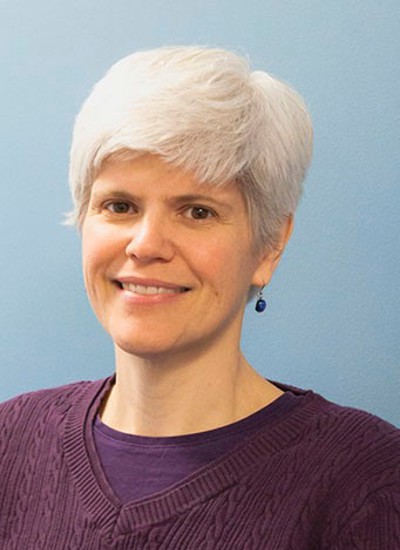
Michelle Covi is the Coastal Resilience Liaison at University of Georgia Marine Extension and Georgia Sea Grant working regionally in the Southeast to connect Sea Grant programs with military community coastal resilience projects through a partnership with SERPPAS and the Readiness and Environmental Protection Integration (REPI) program.
Michelle comes to Georgia after six years as a coastal resilience lead in the Virginia Sea Grant extension program with Old Dominion University and six years with a coastal hazards center at East Carolina University where she also completed her Ph.D. in Coastal Resources Management. Michelle is a UGA alumna, having received her master’s degree in zoology (marine science) after completing research at the UGA Marine Institute. She lives on her husband’s family farm in Hartwell, Georgia, just a couple of miles from the Savannah River
Resources
Documents
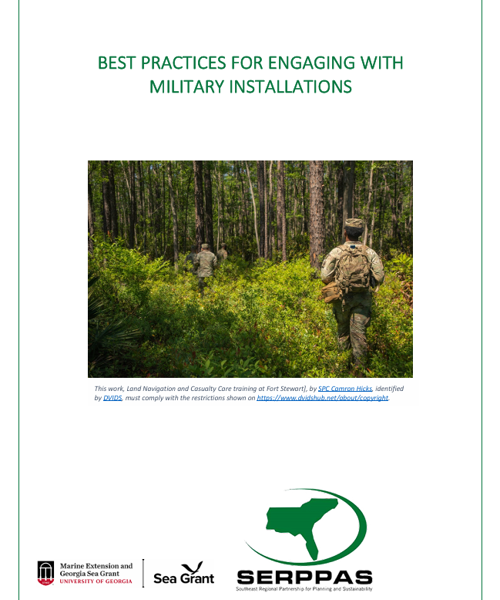
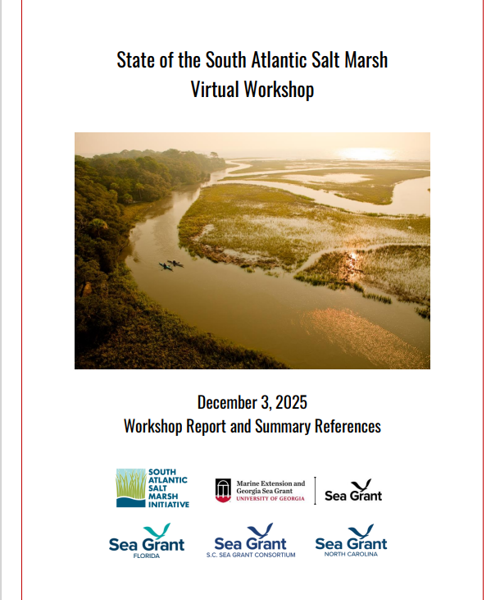
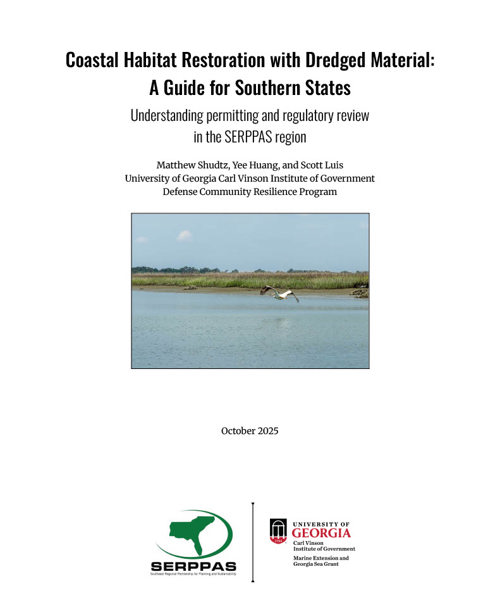
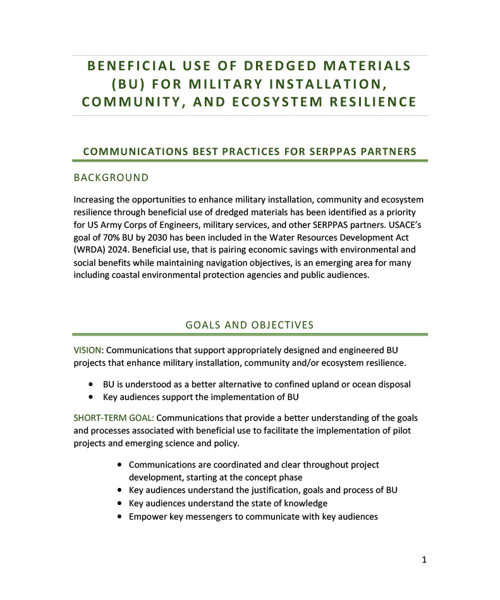
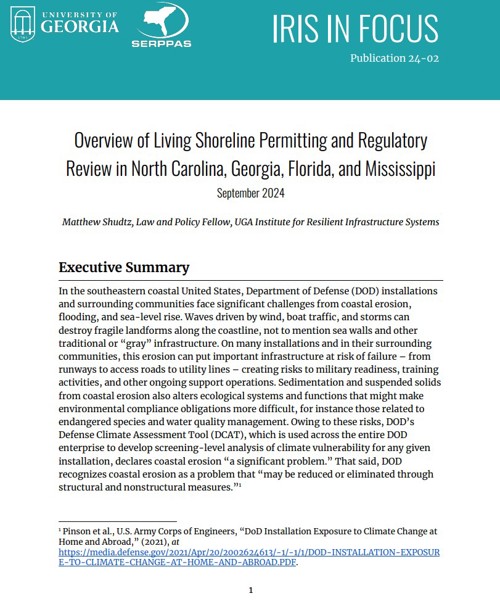
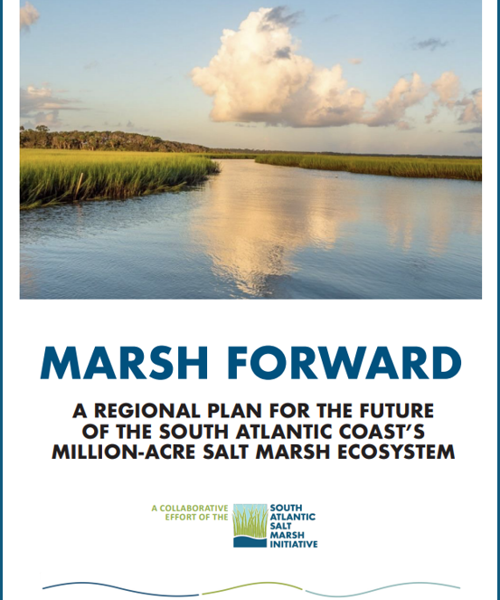
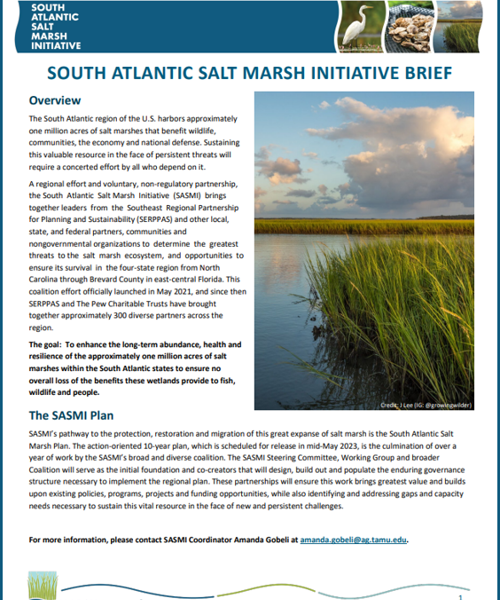
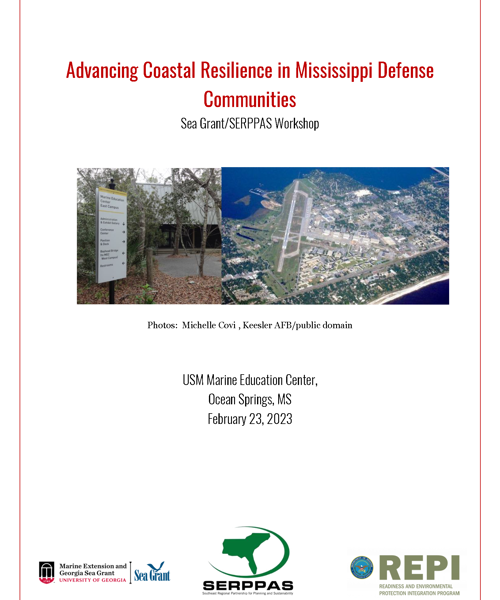
Websites
South Atlantic Salt Marsh Initiative
Sea Grant-REPI Coastal Resilience Liaison Program
Resources and Tools for Coastal Resilience in Southeast Defense Communities
REPI 101 Primer
USACE South Atlantic Coastal Study
Southeast Climate Adaptation Science Center
Gulf of America Alliance
NOAA Sea Level Rise Viewer
NOAA Coastal Resilience and Restoration
NCICS-Precipitation Frequency
Podcast - Shore Up the Defense: Coastal Science Goes Tactical!
News

North American Wetlands Conservation
6/1/26
The Department of the Interior announced $44.79 million in funding for the North America Wetlands Conservation Act, approved by the Migratory Bird Conservation Commission. This funding enables USFWS and its partners to conserve, restore, or enhance 185,203 acres of vital wetland and upland habitat for migratory birds across the country.
Visit the SERPPAS News Archive
South Atlantic Salt Marsh Initiative (SASMI) State Roadmaps
5/1/26
The South Atlantic Salt Marsh Initiative (SASMI) released State Road Maps to identify and prioritize the objectives, actions, focus areas, pathways, and partners needed to implement the regional SASMI plan at the state level. Implementation teams are led by a state-based organization and comprised of local, state, and federal partners who work with communities and key stakeholder groups to develop action-oriented roadmaps for SASMI’s four-state region.
Visit the SERPPAS News Archive
The North Carolina Artificial Reef Program
5/1/26
The North Carolina Artificial Reef Program completed two major reef enhancements in Morehead City at offshore reefs off Cape Hatteras and Ocracoke during May 2026. The reefs, designated AR230 and AR-250, each received approximately 1,500 tons of recycled concrete pipe and boxes that are on the seafloor, creating new habitat and improving public recreation opportunities off the Outer Banks.
Visit the SERPPAS News Archive
Coastal Federation announces 800-acre Carteret acquisition
4/6/26
The North Carolina Coastal Federation announced it has completed the acquisition of approximately 787 acres along the North River in Carteret County, securing a critical tract that expands the North River Wetlands Preserve, protects water quality, supports military operations, and will support a new official portion of North Carolina’s Mountains-to-Sea Trail.
Visit the SERPPAS News Archive
State Roadmaps Released by the South Atlantic Salt Marsh Initiative (SASMI)
4/1/26
Implementation teams led by a state-based organization and comprised of local, state, and federal partners worked together with communities and key stakeholder groups to develop action-oriented roadmaps for each of the SASMI states.
Visit the SERPPAS News Archive
NOAA Coastal Risk Finder
3/31/26
The National Oceanic and Atmospheric Administration (NOAA) has released a Coastal Risk Finder tool that allows users to customize their sea level rise and coastal flood scenarios to learn who and what is at risk.
Visit the SERPPAS News Archive
Events & Webinars
- Piloting Watershed Investment Models in the U.S. South
-
September 30, 2026
Virtual - Hope Summit
-
October 1 - 2, 2026
Charleston, SC - Assessing the Effectiveness of Total Water Level Visualizations and Compound Flood Products
-
October 9, 2026
Virtual - Nature-Based Solutions (NBS) Short Course
-
October 13 - November 12, 2026
Virtual - 13th U.S. Symposium on Harmful Algae
-
October 25 - 29, 2026
Cedar Rapids, IA - 80th Annual SEAFWA Conference
-
October 26 - 30, 2026
Nashville, TN - 16th Biennial Longleaf Conference
-
October 27 - 30, 2026
Williamsburg, VA - 2026 S.C. Marine Educators Association Conference
-
November 6 - 8, 2026
Charleston, SC - 2026 Gulf Resilience Community of Practice Annual Meeting
-
November 16 - 18, 2026
Beaumont, TX - North Carolina Coastal Conference
-
November 17 - 18, 2026
Chapel Hill, NC - SFE Webinar: Shortleaf Pine Management Challenges and Opportunities for an Unsung Species
-
December 15, 2026
Virtual